

Acknowledging Your Emotions: The First Step Toward Emotional Healing
“You can’t heal what you don’t know you have.”
This simple truth applies not only to physical health but also to emotional well-being. If you had a wound on your body, you would clean it, protect it, and seek treatment if necessary. Yet when it comes to emotional wounds, many people do the opposite. They ignore the pain, suppress their feelings, distract themselves, and hope that time alone will make everything disappear.
The reality is that emotional healing begins with awareness. Before you can heal, you must recognize what is hurting inside you. But awareness alone is not enough. True healing requires a willingness to face your emotions and take intentional action toward recovery.
Many people know they are not okay, yet they continue to avoid their emotions because confronting them feels too painful. Innerstanding the difference between awareness without action and awareness followed by healing can make all the difference in your emotional well-being.
Why Acknowledging Your Emotions Matters
Emotions are messengers. They provide valuable information about your experiences, needs, relationships, and inner world.
Sadness may signal loss.
Anger may reveal violated boundaries.
Fear may indicate uncertainty or unresolved trauma.
Loneliness may point to a need for connection.
When you acknowledge your emotions, you allow yourself to innerstand what is happening beneath the surface. You stop fighting your internal experience and begin listening to what your mind and body are trying to communicate.
Unfortunately, many people have been taught to suppress their emotions. They hear messages such as:
- “Be strong.”
- “Stop crying.”
- “Move on.”
- “Don’t think about it.”
- “Others have it worse than you.”
Over time, they learn to disconnect from their feelings rather than process them. While this may seem like a form of strength, emotional suppression often creates deeper wounds.
The First Contrast: Not Knowing vs. Knowing
Some people are unaware of their emotional wounds.
They experience anxiety, irritability, people-pleasing, perfectionism, low self-esteem, relationship difficulties, or chronic stress without innerstanding the root cause. They may not realize that unresolved emotional pain is influencing their behavior.
For these individuals, awareness becomes a powerful breakthrough. Once they recognize the wound, healing becomes possible.
Then there are those who know they are hurting.
They know they are carrying pain from childhood experiences, toxic relationships, rejection, abandonment, betrayal, grief, or trauma. They can identify their emotional struggles, yet they remain stuck because awareness alone does not create change.
Knowing is the beginning.
Healing requires the next step: action.

Why People Ignore Emotions Even When They Know They Are Hurting
Many people avoid their emotions because facing them feels overwhelming.
They fear that if they open the door to their pain, they will lose control. They worry that revisiting old wounds will make things worse. Some believe that acknowledging their emotions is a sign of weakness.
Others have become experts at distraction.
They stay busy.
They overwork.
They constantly scroll through social media.
They focus on helping everyone else.
They avoid quiet moments where emotions might surface.
The problem is that emotions do not disappear simply because they are ignored.
Unprocessed emotions often remain stored within us, influencing our thoughts, decisions, relationships, and physical health.
Avoidance may provide temporary relief, but it rarely provides lasting healing.
The Consequences of Ignoring Your Emotions
Ignoring emotions does not eliminate them. Instead, they often emerge in other ways.
1. Increased Stress and Anxiety
Suppressed emotions require energy to keep hidden. Over time, this emotional burden can contribute to chronic stress, anxiety, and emotional exhaustion.
2. Physical Health Problems
Emotional distress can affect the body. Headaches, fatigue, digestive issues, muscle tension, sleep difficulties, and weakened immunity are often linked to prolonged emotional stress.
3. Relationship Challenges
Unhealed emotions frequently impact how we connect with others. Fear of abandonment, trust issues, emotional reactivity, withdrawal, or people-pleasing behaviors can create difficulties in personal and professional relationships.
4. Reduced Self-Worth
When emotions remain unaddressed, negative beliefs about ourselves often grow stronger. Feelings of shame, guilt, inadequacy, or unworthiness may become deeply rooted.
5. Emotional Numbness
Many people think they are avoiding pain, but they eventually find themselves disconnected from joy as well. When we shut down difficult emotions, we often limit our ability to experience positive emotions fully.

The Consequences of Acknowledging and Healing Your Emotions
While facing emotions can feel uncomfortable initially, the long-term benefits are life-changing.
1. Greater Self-Awareness
Acknowledging emotions helps you innerstand your triggers, needs, patterns, and strengths. Self-awareness becomes a foundation for personal growth.
2. Improved Emotional Resilience
Healing does not mean never feeling pain again. It means developing the ability to navigate difficult emotions without becoming overwhelmed.
3. Healthier Relationships
When you innerstand your emotions, you communicate more effectively, establish healthier boundaries, and build stronger connections with others.
4. Increased Confidence and Self-Esteem
Healing helps release the emotional baggage that often fuels self-doubt. As you process old wounds, you begin to trust yourself more deeply.
5. Greater Peace and Freedom
Many people describe emotional healing as feeling lighter. The energy once spent avoiding emotions can be redirected toward growth, purpose, creativity, and meaningful relationships.
Awareness Is the First Step—Action Is the Second
Recognizing your emotions is essential, but healing requires action.
You might begin by:
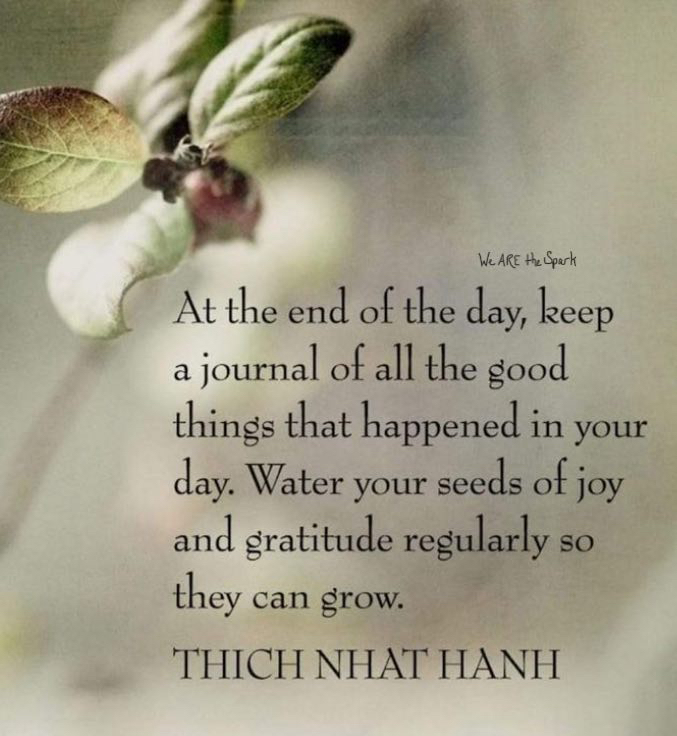
- Journaling your thoughts and feelings.
- Practicing mindfulness and self-reflection.
- Talking to a trusted friend.
- Working with a coach or therapist.
- Learning about emotional wounds and trauma.
- Developing healthy coping strategies.
- Allowing yourself to feel emotions without judgment.
The goal is not to eliminate difficult emotions. The goal is to process them, learn from them, and prevent them from controlling your life.
Small steps taken consistently create lasting change.
Your Healing Journey Starts Today
If you have been ignoring your emotions, know that you are not alone. Many people have spent years hiding their pain because it felt safer than facing it.
But avoiding your emotions does not protect you from suffering; it often prolongs it.
The courage to acknowledge what you feel is one of the most powerful gifts you can give yourself.
Remember:
You cannot heal what you refuse to acknowledge.
Awareness opens the door.
Action moves you forward.
Healing is not about becoming someone else. It is about reconnecting with who you truly are beneath the pain, fear, and emotional wounds.
No matter how long you have carried your struggles, healing is possible.
One honest emotion.
One courageous conversation.
One intentional step at a time.
Your journey toward emotional freedom can begin today.
You want to reach out: https://calendly.com/peacehealingharmony/30min